
;BackgroundColor=ffffff)
;BackgroundColor=ffffff)
;BackgroundColor=ffffff)
;BackgroundColor=ffffff)
;BackgroundColor=ffffff)
;BackgroundColor=ffffff)
;BackgroundColor=ffffff)
;BackgroundColor=ffffff)
;BackgroundColor=ffffff)
;BackgroundColor=ffffff)
;BackgroundColor=ffffff)
;BackgroundColor=ffffff)
Knee pads for mountain biking – protection that rides with you
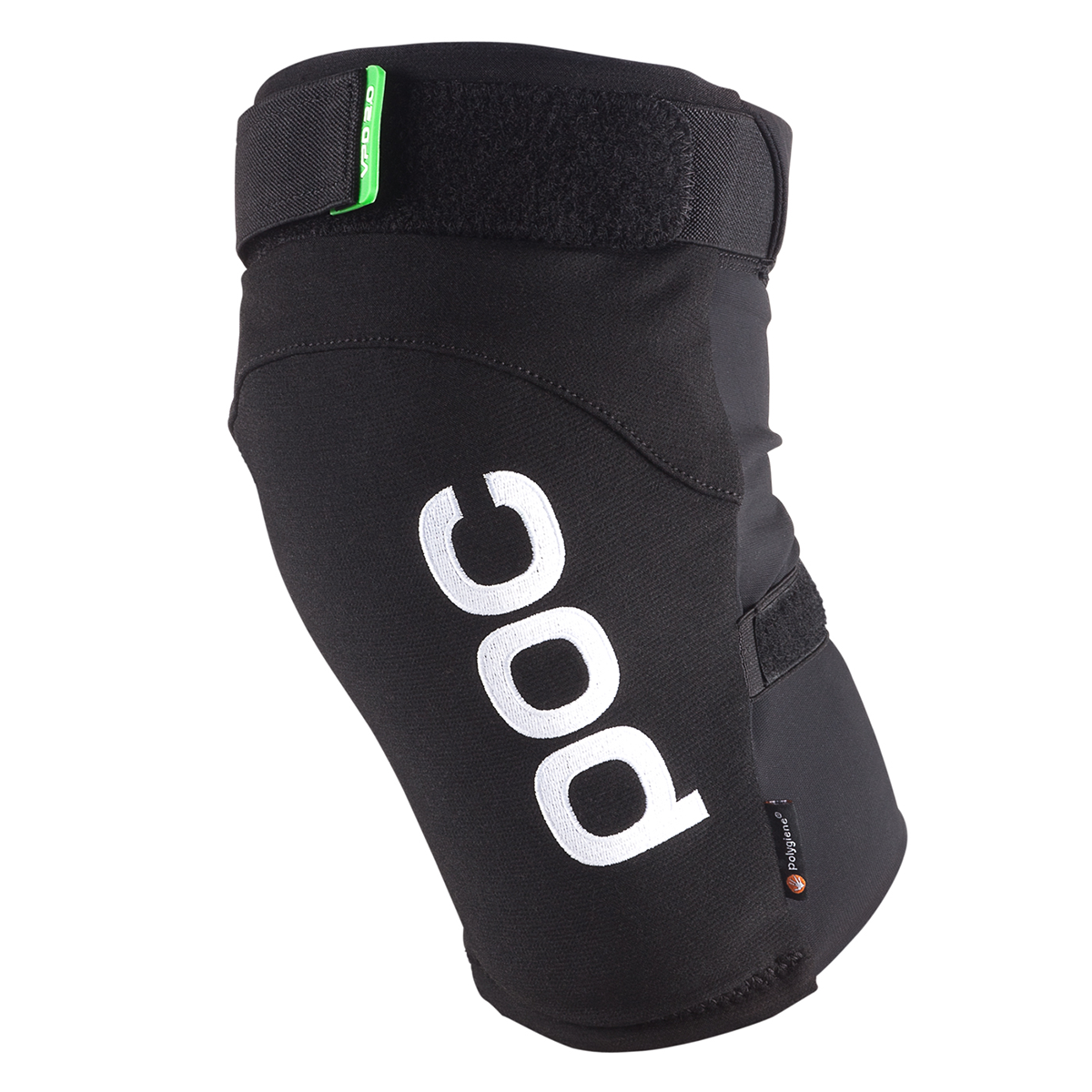
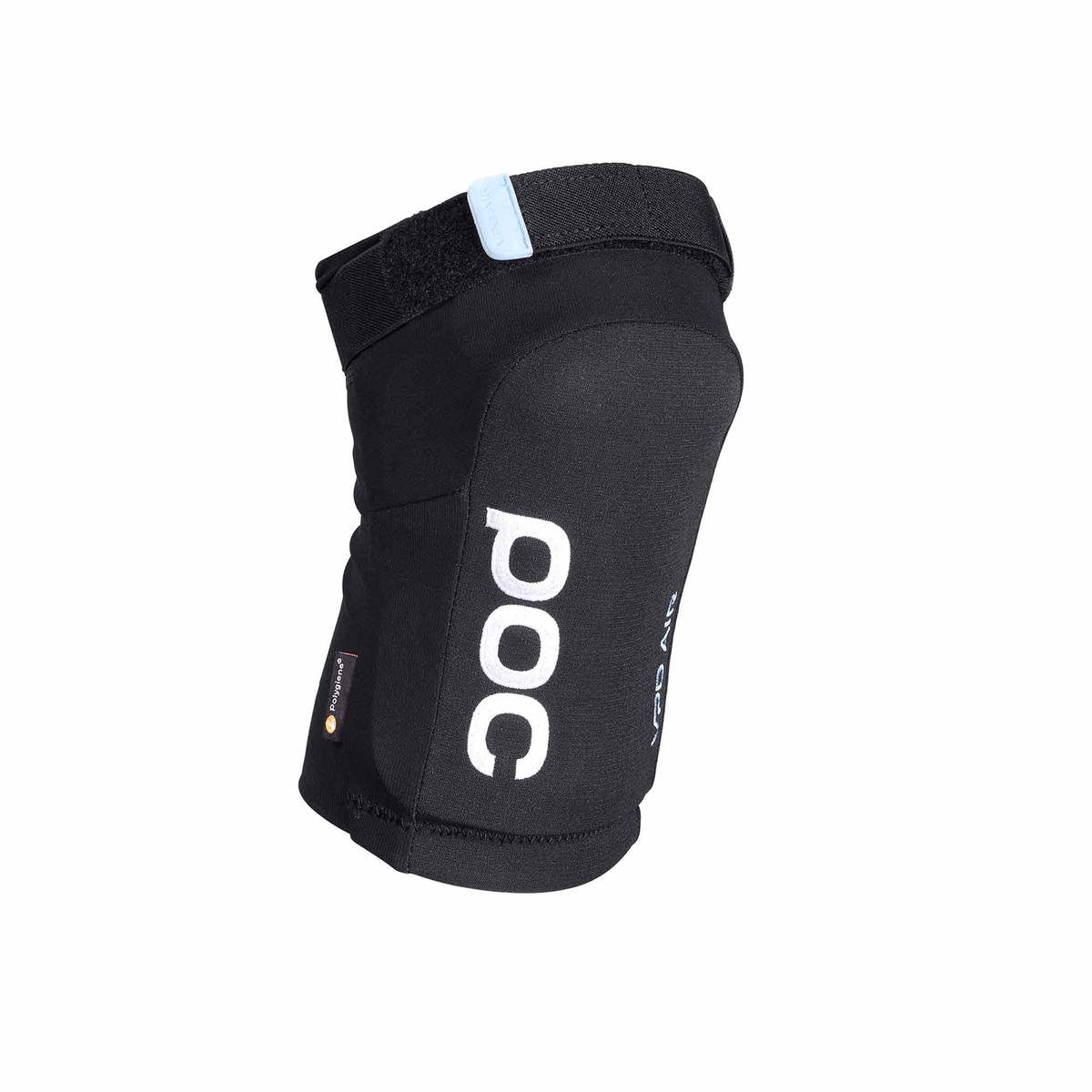
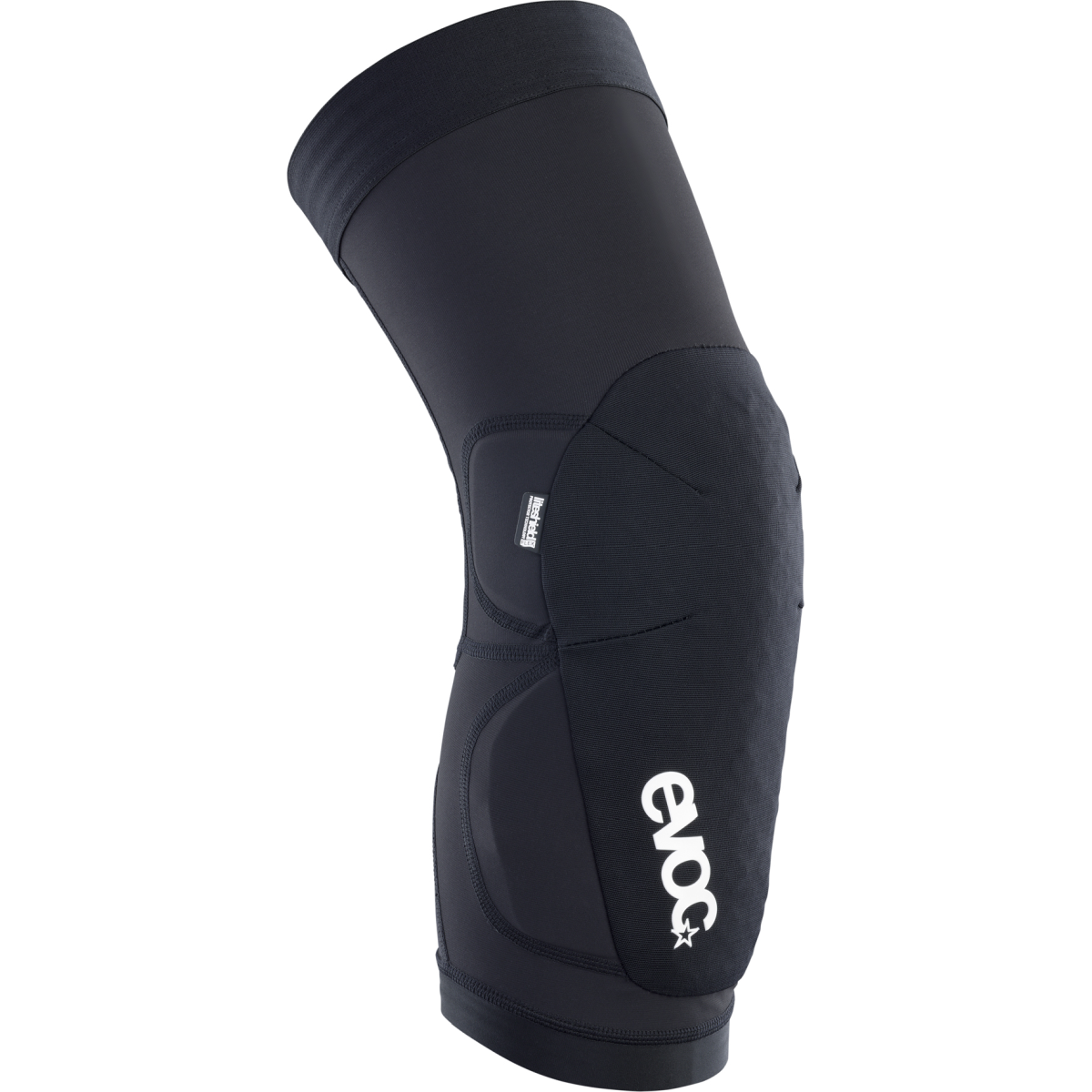
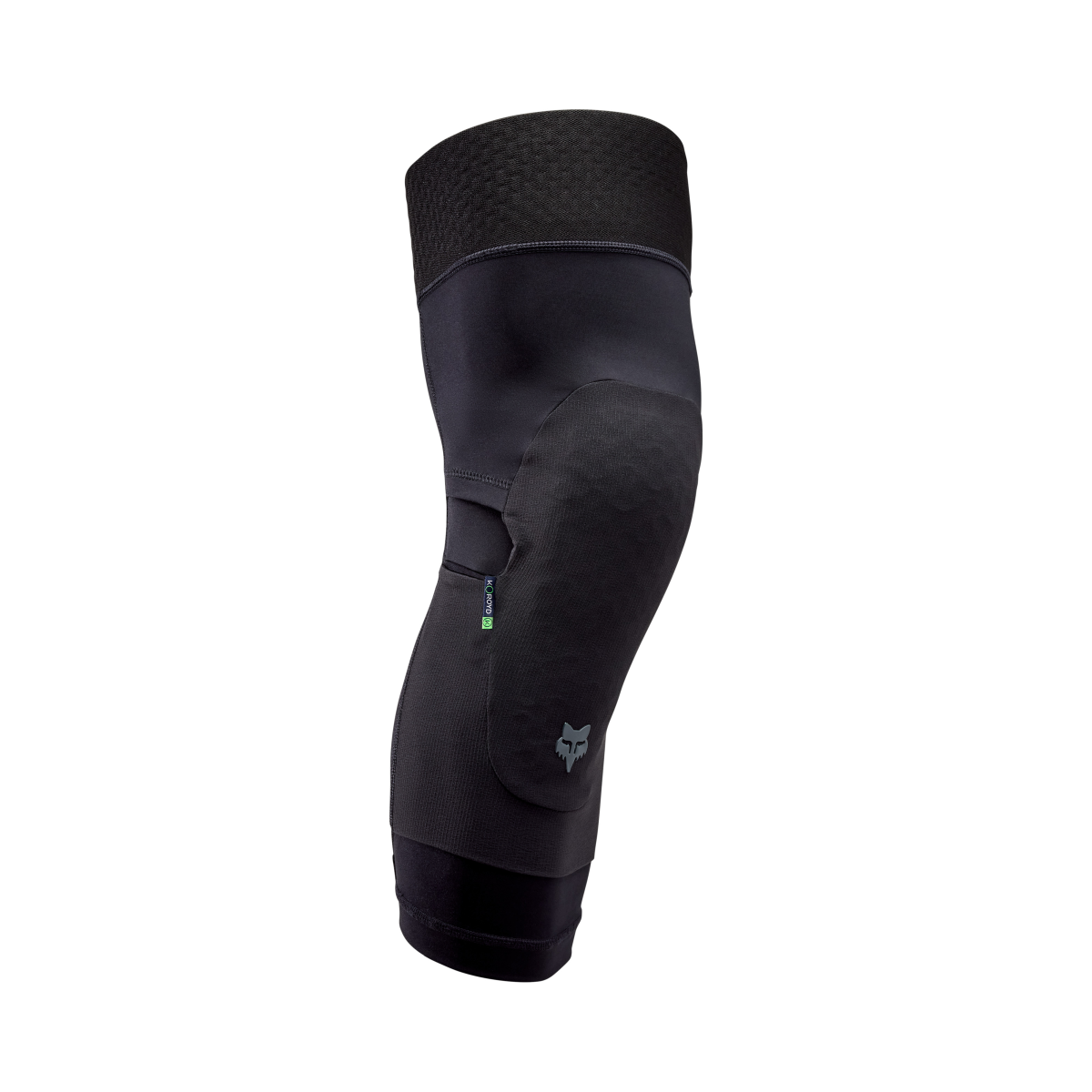
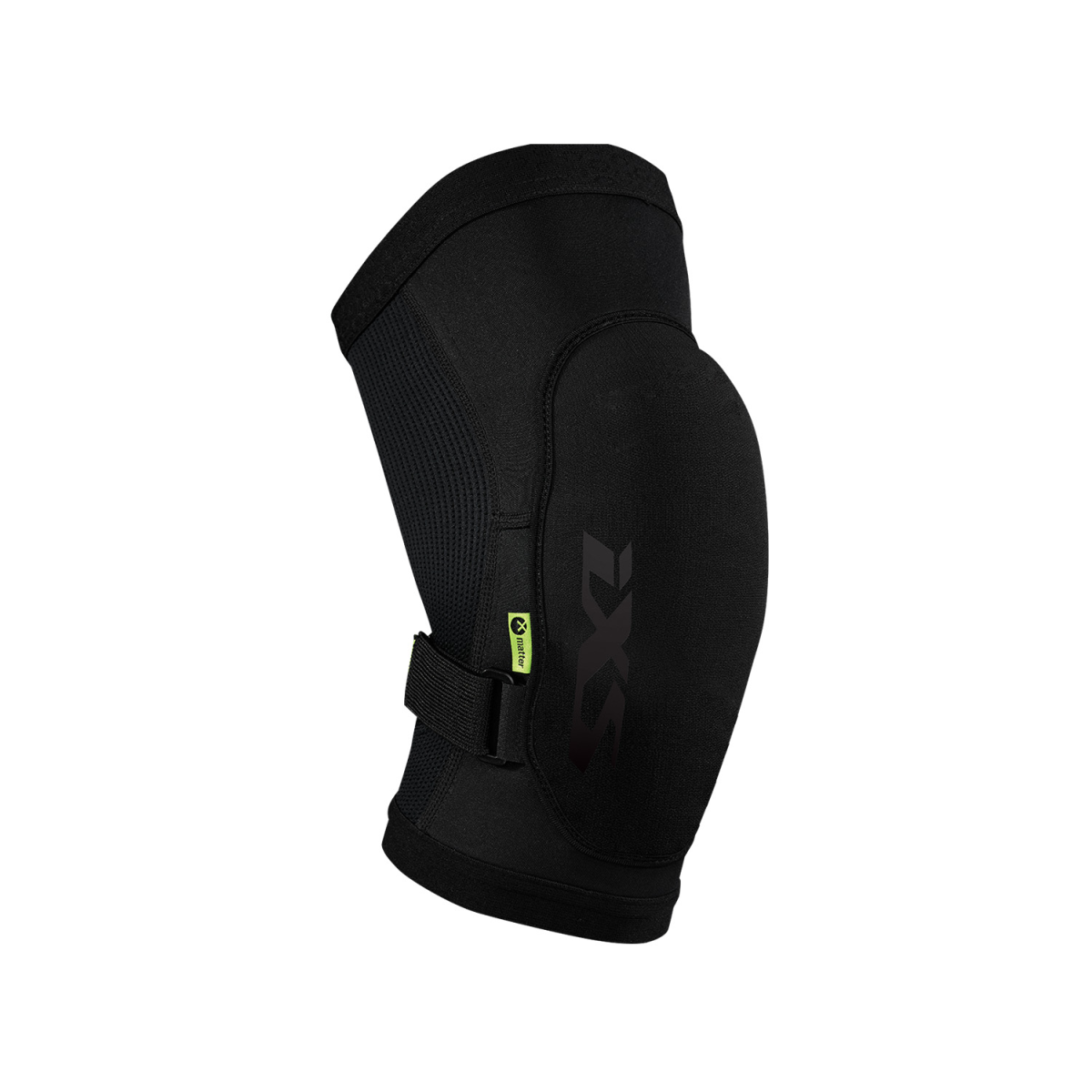
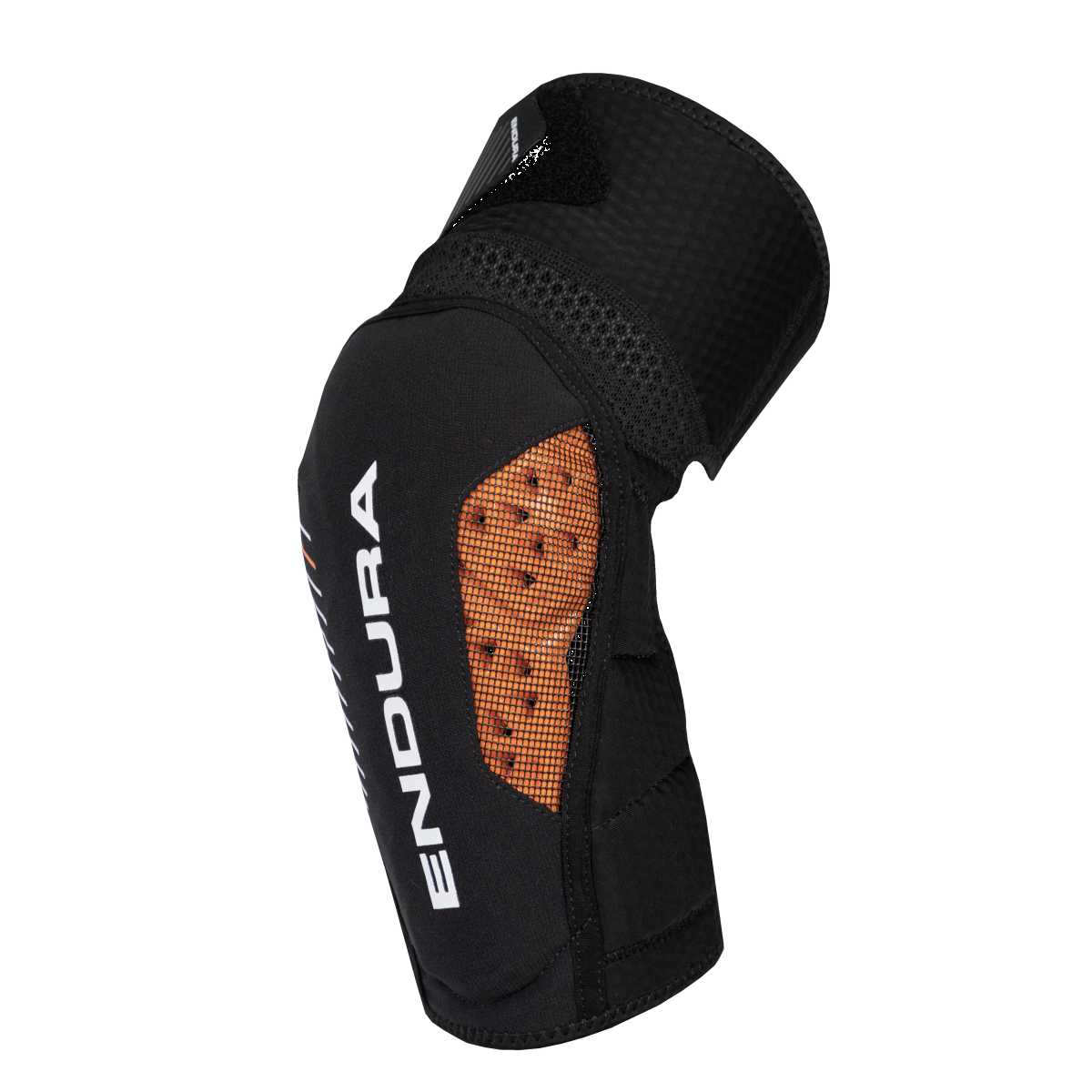
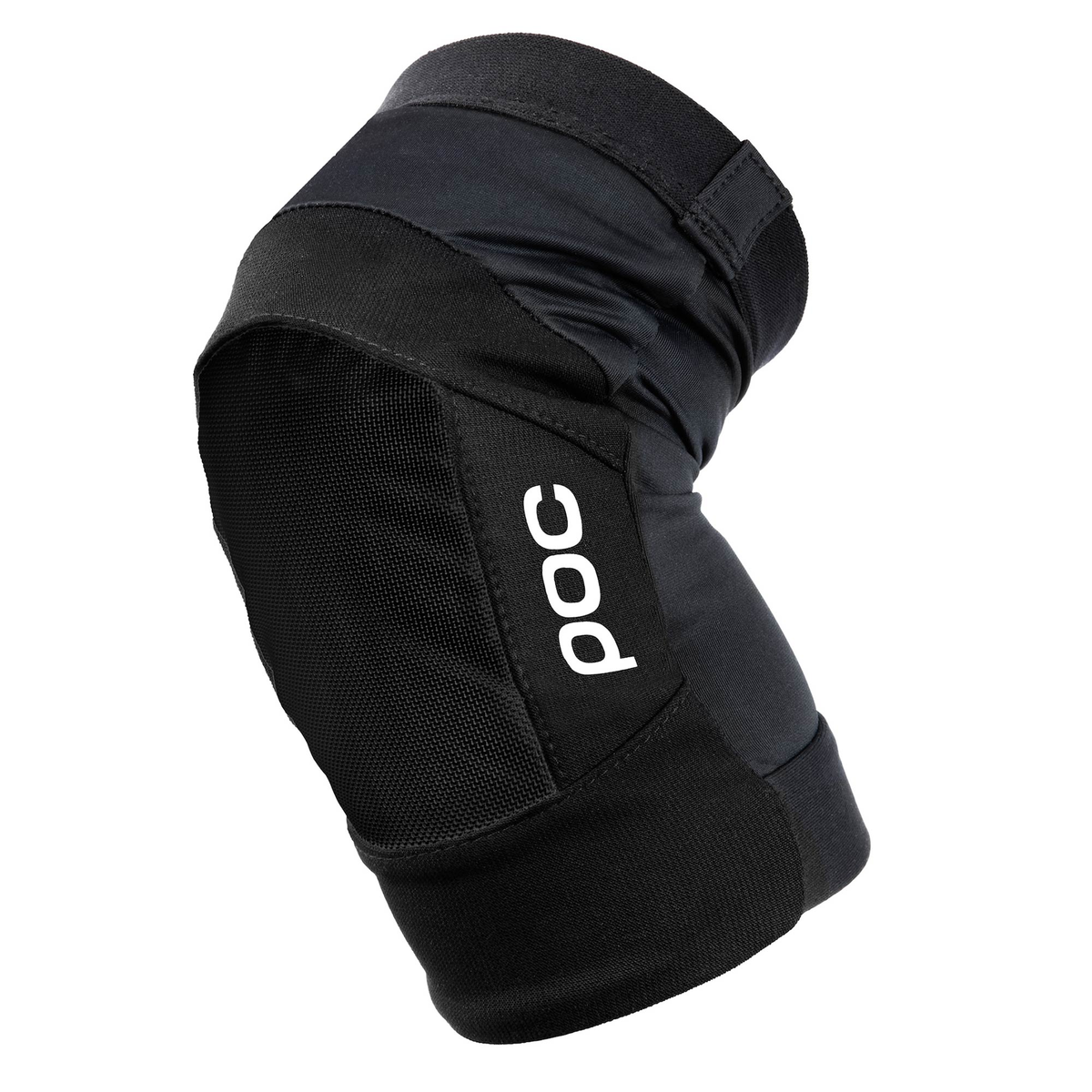
Anyone who is regularly rides on trails knows this: Crashes are part and parcel of mountain biking. Stones, roots and slippery ground make every descent a challenge. Knee pads – also known as knee protectors – are therefore an essential piece of protective equipment. They protect your sensitive joints from knocks and abrasions without restricting your freedom of movement.
Whether for enduro, downhill or trail riding – modern MTB knee pads are lightweight, flexible and designed so that they only harden at the moment of impact.
Construction and function
A knee pad essentially consists of two components:
- a shock-absorbing protector insert
- a textile cover that provides hold, ventilation and fit
The protectors are usually positioned over the kneecap. On many models they also protect the side areas, which is important in the event of lateral falls or contact with the frame.
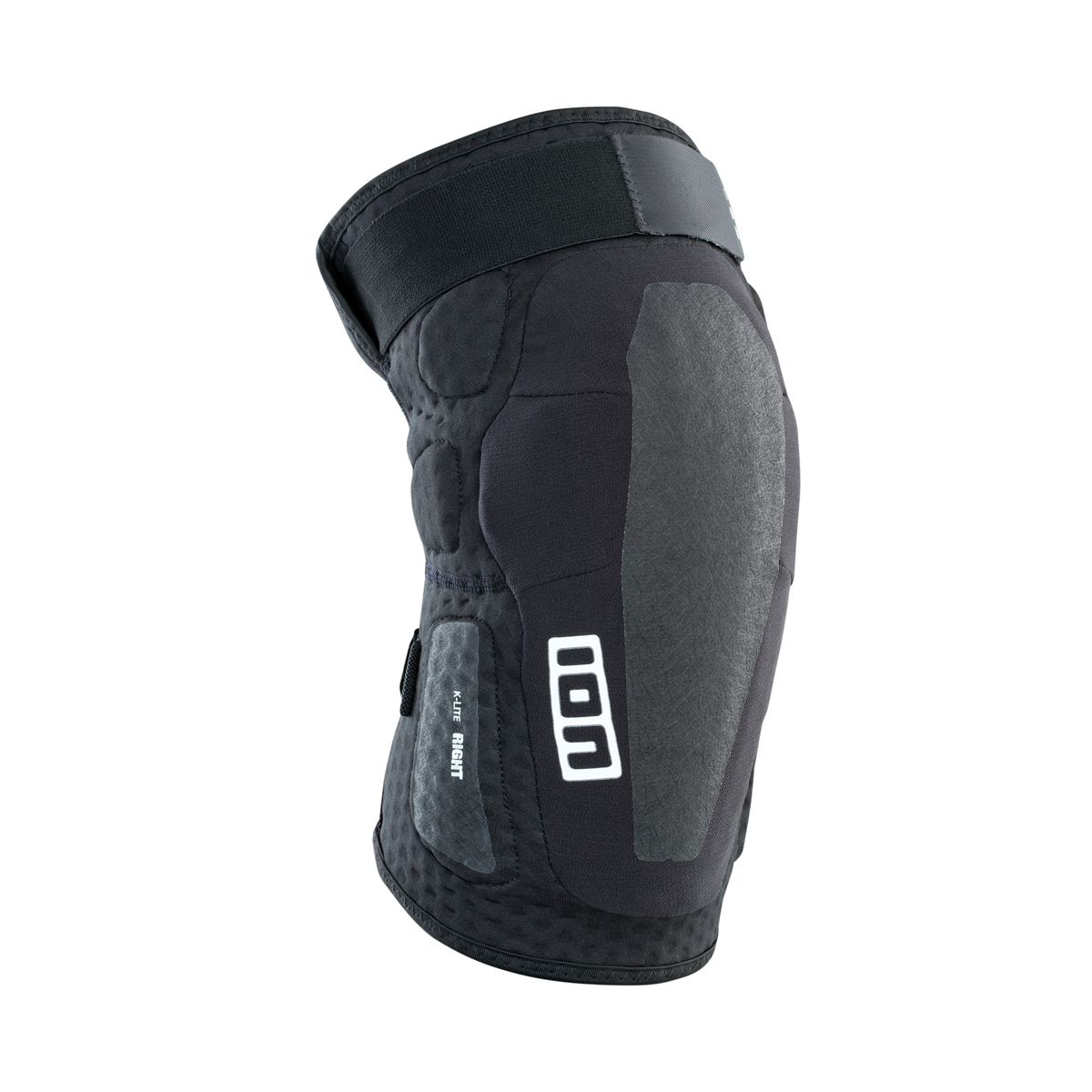
Many manufacturers rely on 3D moulded knee pads that adapt to the anatomy of the knee. Left and right specific models ensure a precise fit and prevent pressure points.
Materials and protection technologies
Modern protectors use viscoelastic high-tech materials that feel soft during movement but harden in a flash in the event of an impact. These technologies differ in terms of structure, damping performance and shape recovery:
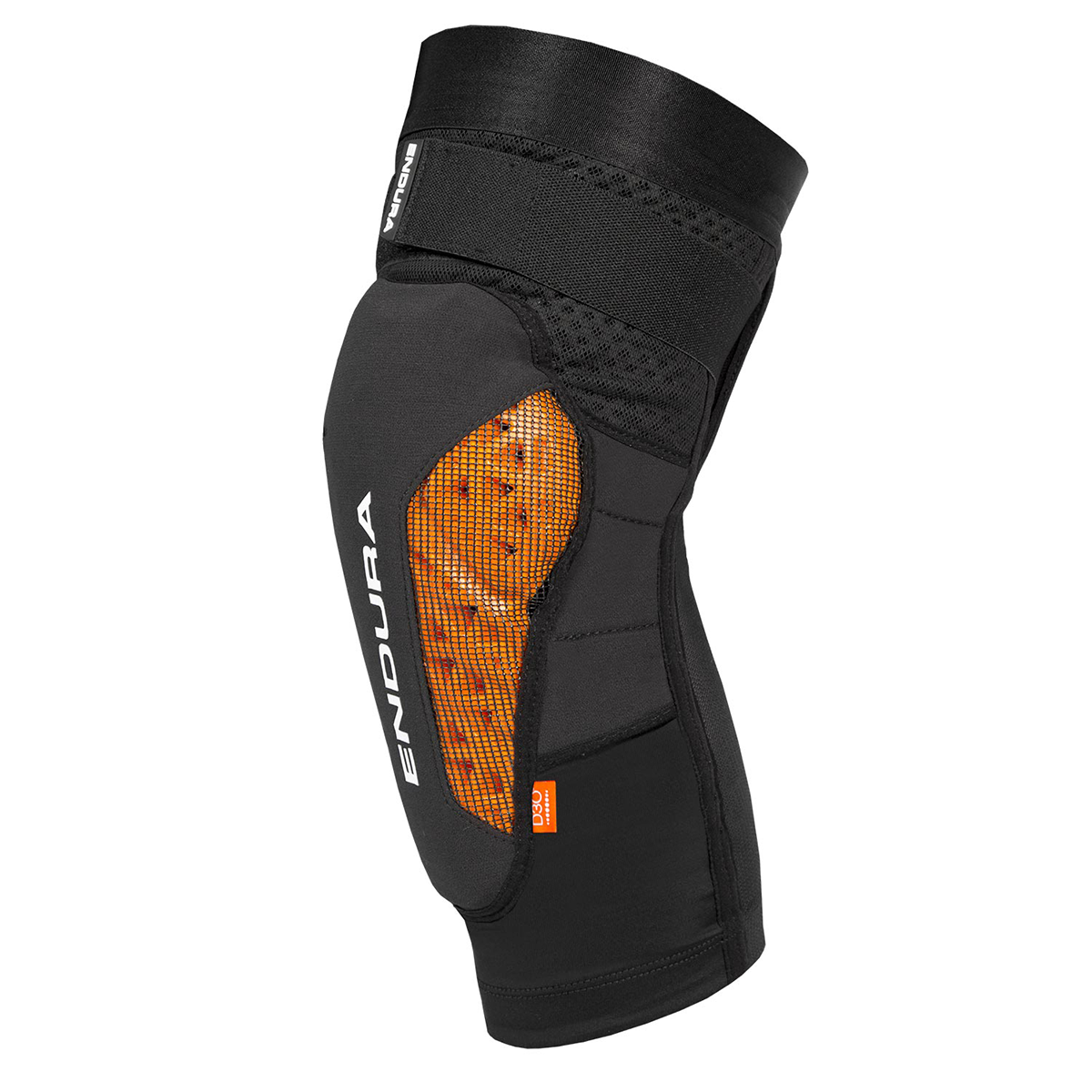
- D3O®: Polymer foam with non-Newtonian fluid structure. Flexible in normal condition, hard under impact load. Very light and multiple shock-absorbing.
- SAS-TEC®: PU-based, viscoelastic material with high shape recovery and durability. Ideal for frequent users.
- VPD (Visco-Elastic Polymer Dough): Foam that reacts to body heat, adapts individually and hardens on impact.
- Arti-Layer (ACF): Combination of memory foam and viscoelastic material for precise energy absorption with low volume.
- Airflex® and X-Matter®: perforated, breathable foams that combine high ventilation with damping – perfect for long uphills.
- EVA foam: classic, lightweight foam for basic protection with low weight.
- Poron XRD®: thin, very flexible foam with high damping performance in the event of repeated impacts.
- IPX®: thin, very flexible foam with high damping performance in the event of repeated impacts.
The right material depends on your riding style:
- Trail and all-mountain riders benefit from lightweight, well-ventilated foams such as Airflex or X-Matter.
- Enduro and downhill riders rely on more robust protectors such as D3O, SAS-TEC or VPD for maximum impact absorption.
You can also differentiate between protectors according to their level of protection. While simple foam pads already offer good protection, certified protectors are the right choice for particularly intensive rides. The EN 1621 standard distinguishes between two levels, with protection level 2 offering even greater shock absorption than level 1.
Protector materials and wearing comfort
The backing material has a decisive influence on fit and ventilation. It combines elasticity, breathability and abrasion resistance:
- Elastic Lycra or neoprene blends ensure a tight but flexible fit.
- Mesh inserts increase air circulation and prevent heat build-up.
- Abrasion-resistant textile zones protect the outside from contact with the ground, stones or pedals.
- Internal silicone or anti-slip prints prevent slipping during movement.
Lightweight models often weigh less than 300 g per pair and are suitable for long tours. Heavy, multi-layer protectors, on the other hand, offer better protection in the bike park, but are less ventilated.
Closure systems and fit
Knee pads must fit snugly but must not constrict. It is crucial that they do not slip even on long rides or jumps. There are various closure solutions for this:
- Elastic slip-on models: are pulled on like a sock. They are particularly popular in the trail and enduro sector as they are light, close-fitting and easy to put on.
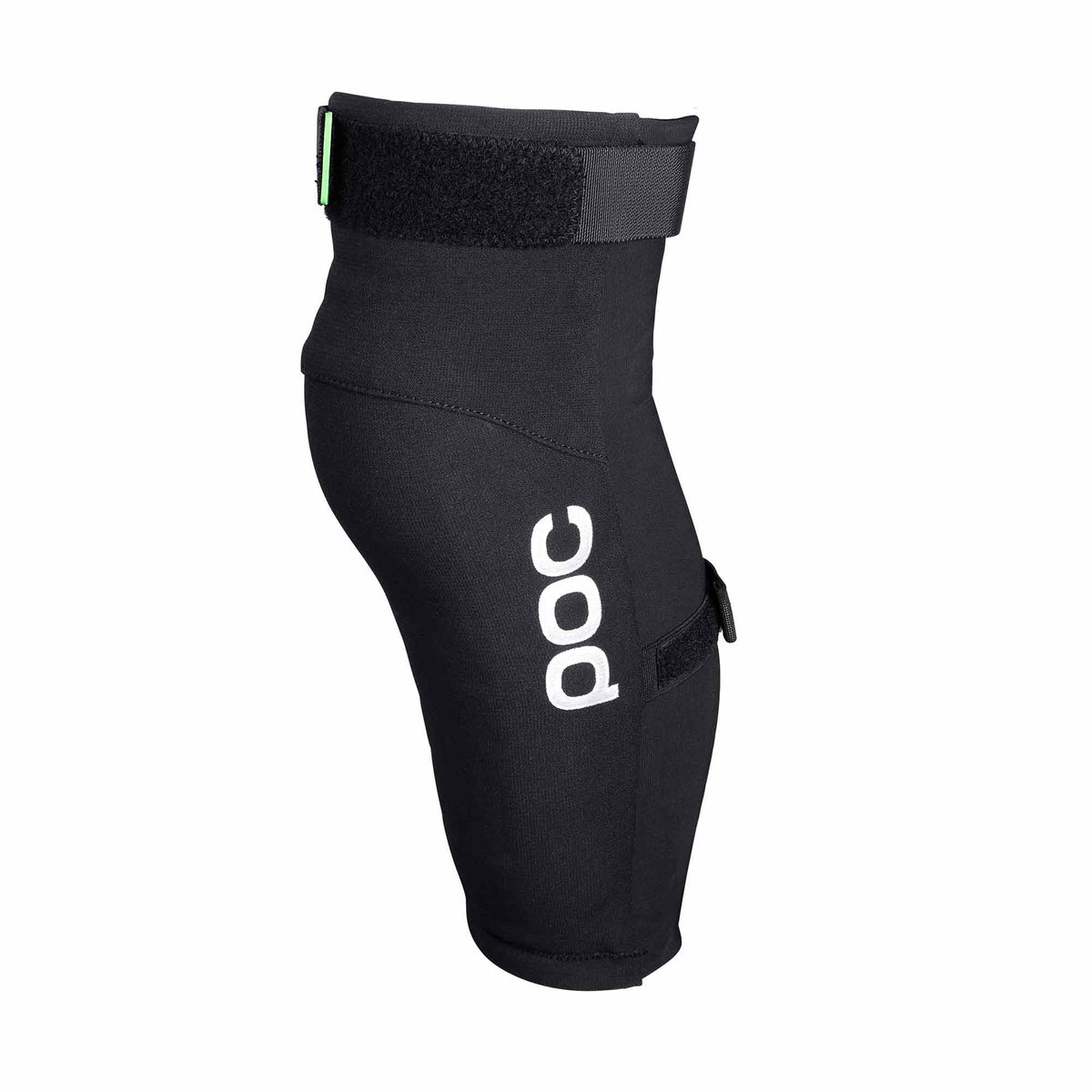
- Velcro fasteners: allow for individual readjustment and easier putting on with shoes. Ideal for intensive pedalling or changing temperatures.
- Zips: easy on and off without taking off the shoes – popular with downhill riders or e-MTB riders.
Many models combine elastic straps with Velcro surfaces to combine stability and comfort.
Protection areas
Not every knee pad covers the same zones. It depends on the intended use:
- Basic models: Protection of the kneecap, suitable for cross-country or touring.
- Extended protectors: additional side protection and often an extended shell over the shin – ideal for downhill or bike parks.
- Hybrid designs: combine flexible pads with hard-shell elements to protect particularly vulnerable areas.
Intended use and target groups
Knee pads are available with different levels of protection and ventilation to suit your riding style and surroundings:
- Cross Country & Trail: Focus on low weight and breathability. Narrow-cut models with Airflex or Poron XRD inserts offer protection with maximum mobility.
- Enduro & All Mountain: balanced mix of freedom of movement and shock absorption. 3D moulded protectors with Velcro fasteners and side protection are popular.
- Downhill & Bikepark: maximum safety at high speeds. D3O, VPD or SAS-TEC protectors with robust outer materials are standard here.
- E-MTB & Tour: comfortable, easy to put on models with zip, ideal for changing routes and stops.
Important selection criteria at a glance
- Protection material: choose between light foam and highly damping viscose protection technology depending on your riding style
- Ventilation: mesh inserts or perforated protectors increase the air flow
- Fit: anatomically shaped, non-slip, no pressure on the kneecap
- Closure: elastic, Velcro or zip fastener – suitable for the intended use
- Weight: lightweight models for uphills, more robust versions for gravity rides
- Protective cover: kneecap only or additional side and shin protection
Conclusion
Knee pads for mountain biking have long been more than just bulky protective shells. They combine intelligent damping materials with flexible, breathable textiles – for protection that you will barely feel, until you need it. The right mix of material, fit and protection area for your riding style is crucial.
Whether you're riding flowing trails or pushing your limits in the bike park – the right choice of knee pads not only protects your knees, but also gives you confidence on every descent.