
Bib Shorts and Tights
;BackgroundColor=ffffff)
;BackgroundColor=ffffff)
;BackgroundColor=ffffff)
;BackgroundColor=ffffff)
;BackgroundColor=ffffff)
;BackgroundColor=ffffff)
;BackgroundColor=ffffff)
;BackgroundColor=ffffff)
;BackgroundColor=ffffff)
;BackgroundColor=ffffff)
;BackgroundColor=ffffff)
;BackgroundColor=ffffff)
Bib Tights for your Next Cycling Adventure
Bib tights – which are right for you?
The classic cycling tights with padding and braces are called "bib tights". Different versions are the right choice depending on the intended use and season:
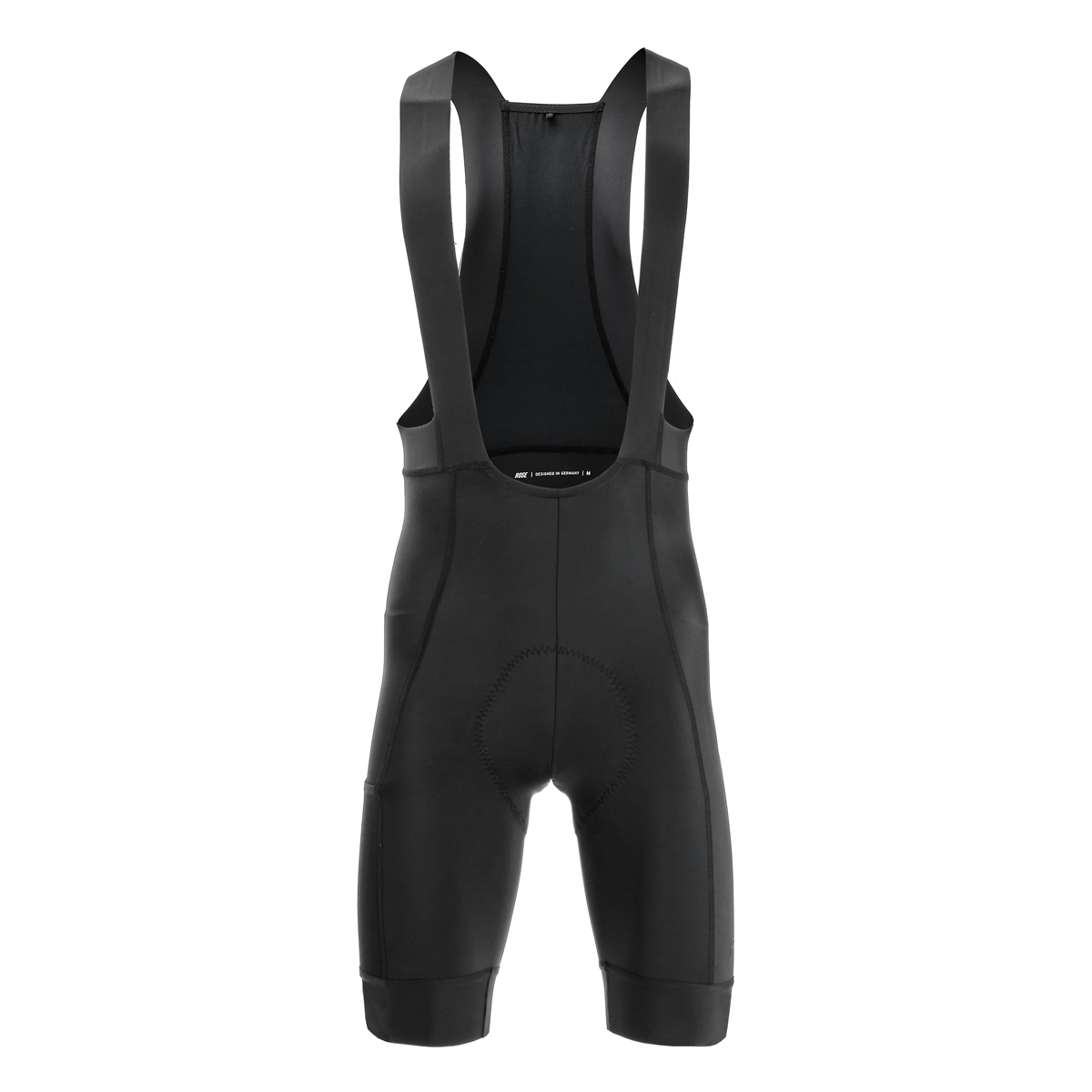
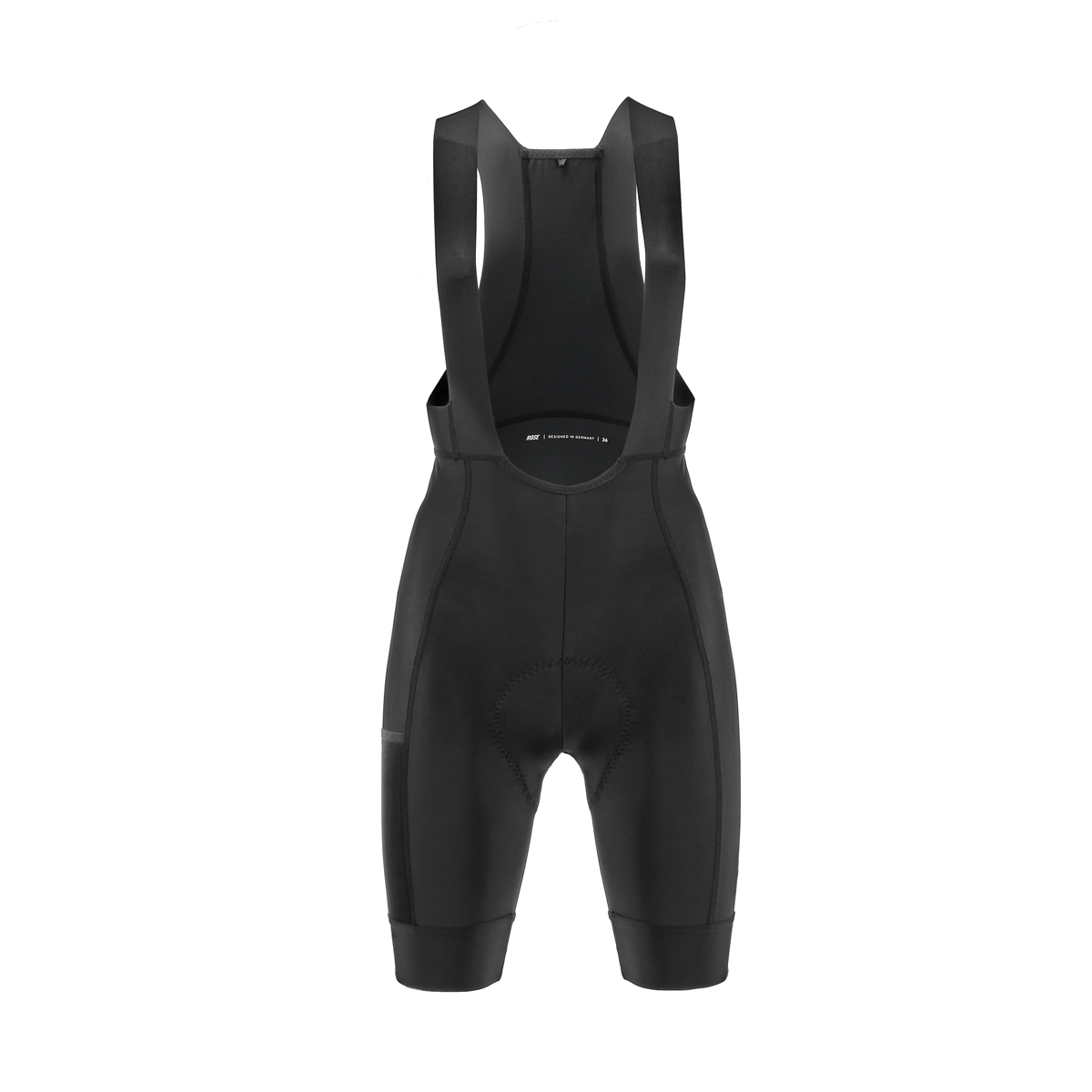
Bib shorts are the classic summer trousers. They are made from lightweight, highly breathable fabrics that efficiently wick away perspiration. The fabric is usually smooth, close-fitting and compressive to support the muscles. Mesh straps improve air circulation on the upper body. For midsummer, there are models with cooling fibre technologies or perforated inserts. The short legs end just above the knee and have anti-slip silicone prints to prevent them from riding up.
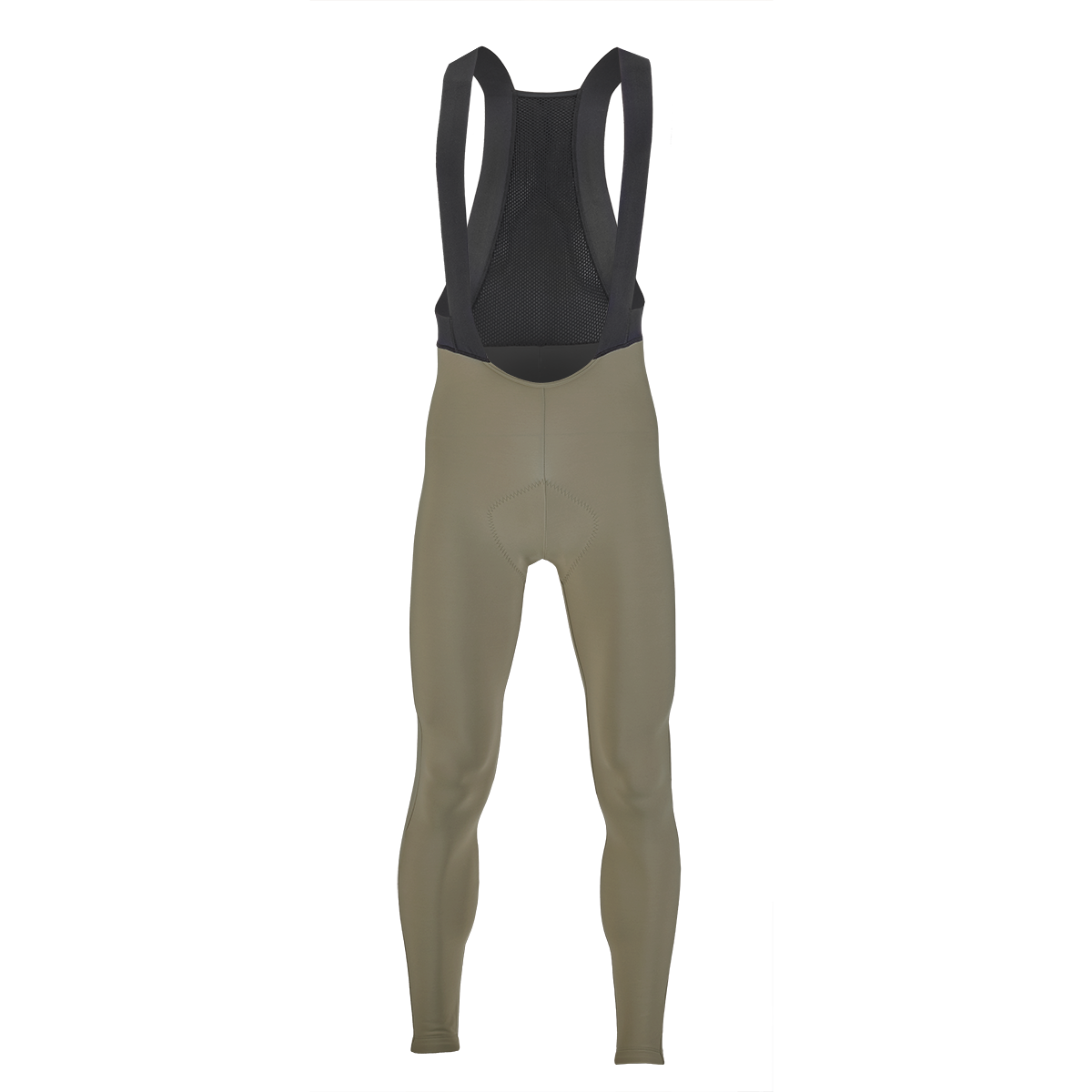
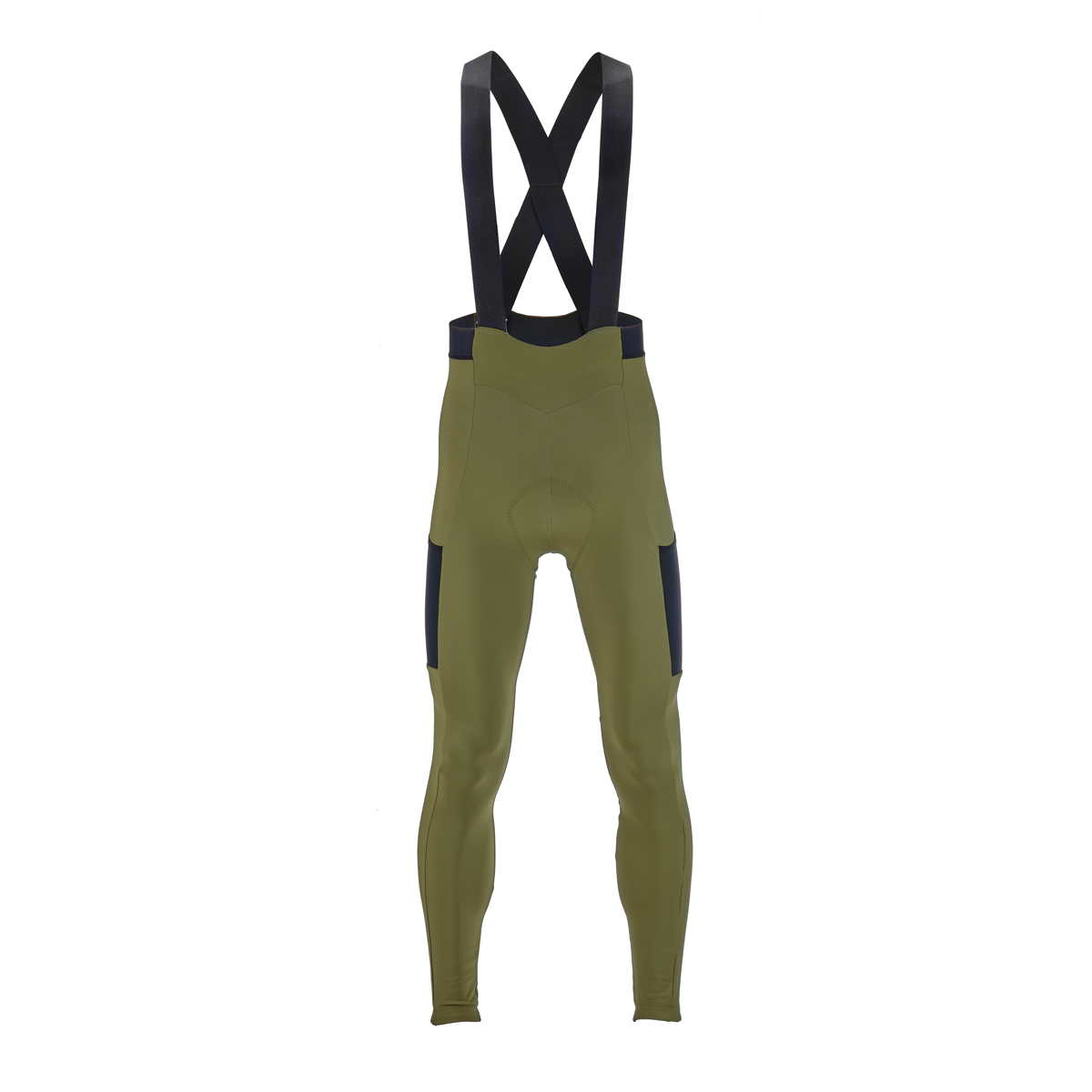
Bib tights are used in winter or for long tours in-between seasons. They are made from warm thermal material or softshell, which has a smooth outside and a brushed inner surface. Many tights are equipped with windproof front sections that protect sensitive areas of the body – especially the thighs and crotch – from the cold. Some models also have water-repellent coatings or membranes that reliably keep out wheel spray without restricting breathability.
3/4-length bib tights are the compromise for spring and autumn. They protect the knees from cooling down, but remain airy enough to prevent overheating. They are the perfect compromise between bib shorts and bib tights, especially in medium temperatures.
Many modern bib tights even combine different material zones – breathable at the back, warm at the legs, stretchy at the knees. The trousers adapt to your every movement and ensure that you neither freeze nor overheat.
The seat pad – the centrepiece of every bib tights
When talking about bib tights, there is one topic that cannot be ignored: the seat pad. It is the central element of the trousers – and at the same time the most underestimated factor in riding comfort.
A good seat pad reduces pressure peaks, dampens vibrations and prevents friction. It allows you to ride for hours without feeling uncomfortable pressure points or numbness.
Structure and materials:
Seat pads usually consist of multi-layer foam with different density zones. Denser areas support the sit bones, softer zones provide flexibility and adaptation. High-quality models use open-pored foams that absorb moisture and quickly release it again. This keeps the pad dry even during intensive use.
Alternatively, gel inserts or hybrid constructions are used, which offer particularly good shock absorption. These pads are ideal for riders who spend a lot of time on uneven terrain – for example when gravel riding or on long tours.
Ventilation and hygiene:
Many seat pads are perforated or have ventilation channels to prevent heat build-up. The surface is often treated with antibacterial agents to reduce skin irritation and odours. Modern fabrics are soft, skin-friendly and seamlessly bonded to the trousers – so you hardly feel them.
Tip:
A high-quality pad often feels relatively firm when you try it on. It only becomes comfortable in the saddle because it yields under load exactly where pressure is generated.
Material and structure – technology meets function
The fabrics used to make bib tights are highly functional. They must be elastic, durable, breathable and stable at the same time.
This sounds contradictory, but modern functional fibres and laminate constructions make it possible.
- Stretch fabric: Ensures unrestricted freedom of movement, supports the muscles and prevents creasing.
- Mesh panels: Airy mesh – often used on the back – allows excess body heat to escape for pleasant temperature regulation, especially in summer.
- Compression fabric: Can promote blood circulation, stabilise the leg muscles and reduce fatigue.
- Windproof or wind-repellent inserts: Protect sensitive areas from cooling.
- Water-repellent coatings: Let dirt and moisture simply roll off – useful in changeable weather.
- Membrane technologies: Combine weather protection with high breathability. Winter bib tights often use softshell membranes that wick away moisture from the inside and reliably block the wind.
Many bib tights are lined on the inside with Roubaix fleece – a brushed, soft fabric that retains heat while remaining breathable. In summer models, on the other hand, the focus is on rapid moisture transport and cooling.
In cycling in particular, a trend towards zone-based material use has become established: different fabrics for different areas of the body. The result is a noticeably more even body climate.
The details – small components with a big effect
Every detail plays a role in high-quality bib tights. It is often the inconspicuous elements that make the difference:
- Flat seams prevent chafing and ensure a smooth feel against the skin.
- Non-slip leg cuffs keep the trousers firmly in place – without constricting.
- Breathable mesh straps dissipate heat and ensure a pleasant climate on the upper body.
- Reflective design elements improve visibility at dusk.
- Multi-part cut guarantees an anatomically precise fit in every sitting position.
Bib tights are designed to fit perfectly in the typical cycling position – i.e. slightly tilted forwards with bent knees. Standing, bib tights therefore sometimes look tight, but on the bike they fit perfectly.
Women's bib tights – what’s particularly important
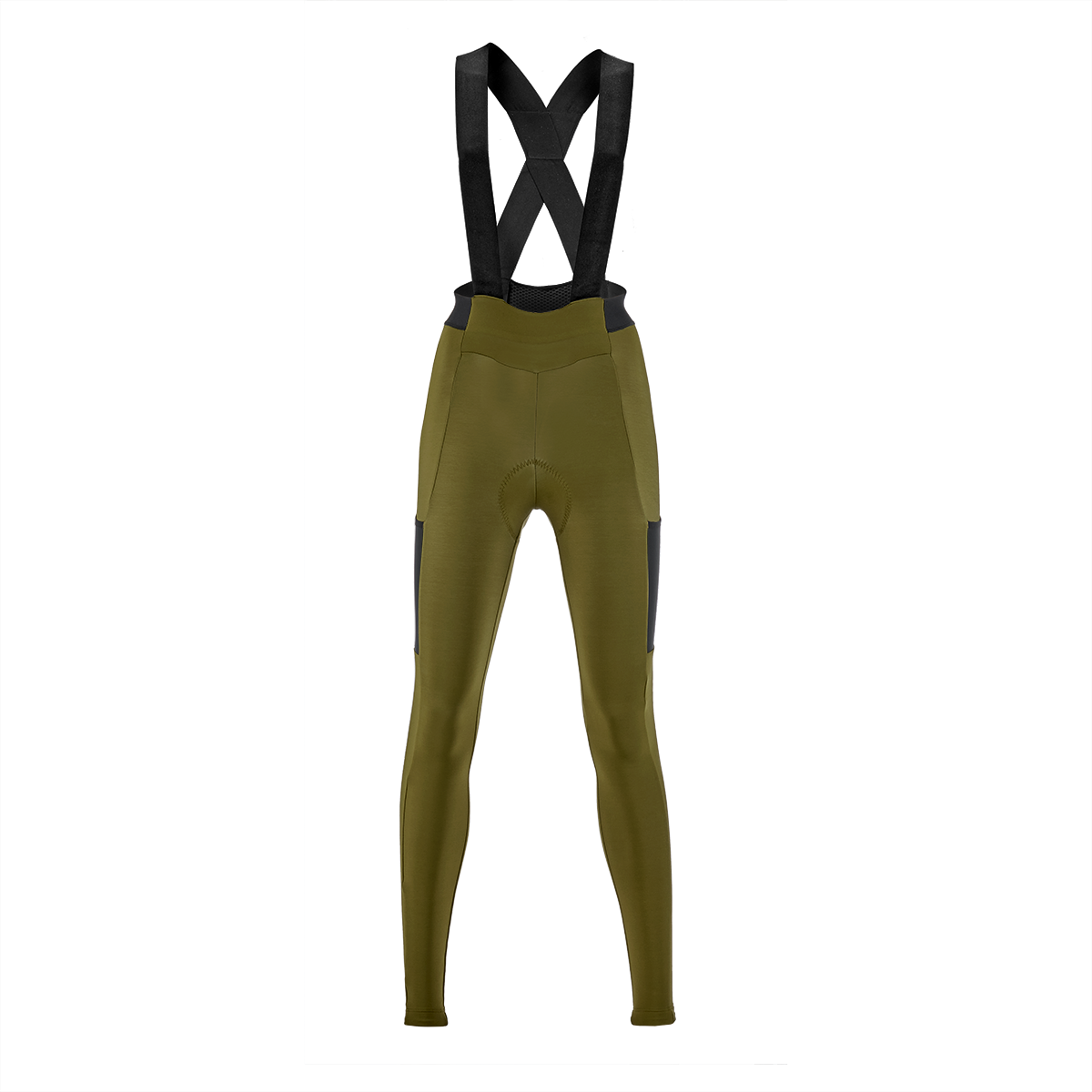
Women have different anatomical requirements than men – especially in the pelvic and hip area. Manufacturers are responding to this with specially adapted cuts and padding.
Women's pads are wider in the sit bone area, softer in the centre and shorter at the front. This reduces pressure points and increases comfort even on long journeys.
Another important aspect is the strap structure:
Many women's models dispense with the classic, full-length back strap and rely on front zips or detachable straps that allow you to take a quick break – without having to undress completely. Elasticated, softer strap materials also prevent pressure on the chest or shoulders.
The cut in the upper body area has also been adapted: cut higher to keep the stomach warm and with more flexibility to accommodate different body shapes.
Summer or winter – how bib tights differ
The seasonal choice of bib tights or shorts depends heavily on temperature and weather conditions.
In summer, breathability takes centre stage. Lightweight functional fibres, open mesh straps and smooth, quick-drying fabrics ensure that moisture is quickly wicked away. Some tights also have UV protection, which is particularly useful on long rides.
In winter, on the other hand, insulation is key. Thermal materials with a brushed inside retain warmth, while windproof inserts keep out cold draughts. A water-repellent coating protects against wheel spray or light rain. Winter bib tights are often high-cut and have reinforced seams to prevent thermal bridges.
Some riders combine bib shorts with leg warmers or knee warmers – a flexible solution to react to changing temperatures.
Areas of use – which bib tights are suitable for which bike
Each discipline has its own requirements in terms of material and cut:
- Road bike: Tight, aerodynamic fit, compression fabrics, lightweight padding for efficient power transfer.
- Gravel: Tight, aerodynamic fit, compression fabrics, lightweight padding for efficient power transfer.
- MTB: Durable fabrics with high level of stretch, abrasion-resistant, often worn under loose shorts.
- Trekking & Tour: Comfortable cut, easy-care fabrics, soft padding for many hours in the saddle.
As different as the bikes are, the clothing is just as varied. The decisive factor is how you ride – sporty and forward-leaning or relaxed and upright. The tights should support your posture, not restrict it.
Conclusion – investment in comfort and control
High-quality bib tights and shorts are more than just clothing. They are a technical tool that influences comfort, efficiency and health in equal measure. They keep the muscles stable, protect sensitive parts of the body and follow every movement – inconspicuous but indispensable.
If you ride regularly, you should pay attention to the following points:
- Anatomically shaped seat pad
- Suitable length and material for the season
- Breathable, elastic straps
- Flat seams and non-slip leg cuffs
- Wind and weather protection if required
Because ultimately: You can't feel a pair of good bib tights – you only notice when it's missing.